
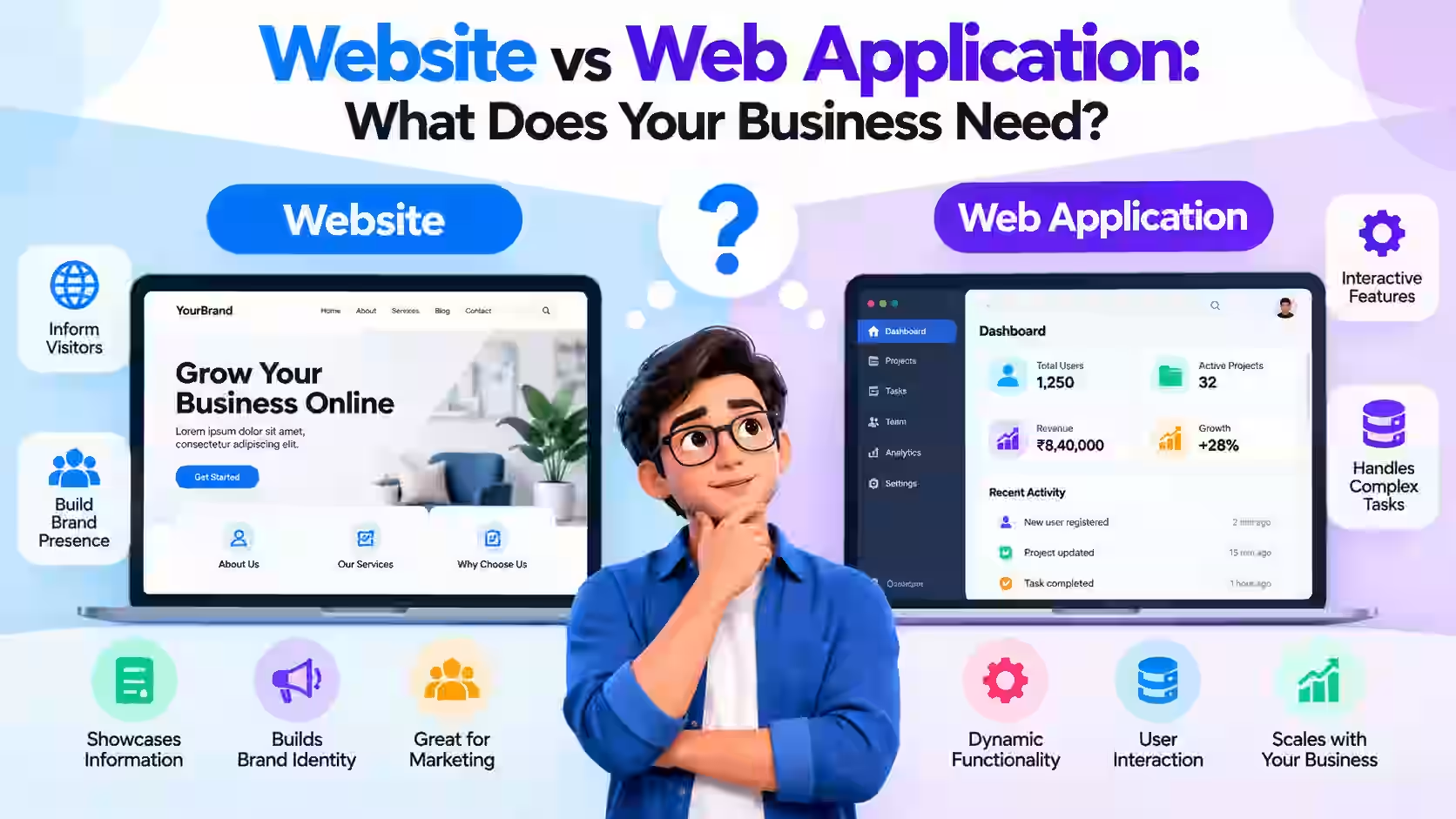

The terms "website" and "web application" are often used interchangeably, but they serve different purposes. Understanding the difference can help businesses choose the right digital solution.
What Is a Website?
A website primarily provides information to visitors.
Common examples include:
- Company websites
- Portfolio websites
- Corporate websites
- Service websites
- Blogs
- Landing pages
The primary goal is usually to present information, build an online presence, and generate customer inquiries.
What Is a Web Application?
A web application is an interactive software system that allows users to perform specific tasks through a web browser.
Examples include:
- Online booking platforms
- Customer portals
- Vendor management systems
- CRM platforms
- E-commerce platforms
- Project management systems
- Business dashboards
Users typically log in and interact with data or functionality within the application.
Website vs Web Application
| Website | Web Application |
|---|---|
| Primarily provides information | Provides interactive functionality |
| Usually focused on visitors | Usually focused on logged-in users |
| Company information and services | Dashboards and business operations |
| Blogs and landing pages | Booking and management platforms |
Which One Does Your Business Need?
A website may be enough if your primary goal is to showcase your company, services, products, or portfolio.
A web application may be more appropriate if customers, employees, vendors, or administrators need to log in and perform actions.
Some businesses need both. For example, a company may have a public website for marketing and a web application for customers and internal operations.
Examples of Custom Web Solutions
Businesses can develop custom platforms for different requirements, including marketplaces, SaaS products, booking systems, customer portals, vendor platforms, and management systems.
Explore Fevoff Industries' software development services to learn more about our web and SaaS solutions.
Marketplace and Booking Platforms
Web applications are particularly useful for businesses that need multiple users, vendors, bookings, payments, dashboards, and real-time data.
For example, Fevoff Services is a multi-vendor lifestyle booking platform designed to connect customers with service providers.
Conclusion
Choosing between a website and web application depends on what you want users to accomplish.
Understanding your business requirements before development can help control costs, improve user experience, and create a solution that can scale with your business.
Fevoff Industries provides website and custom web application development services, helping businesses transform their ideas and processes into practical digital solutions.
If you are planning a new website, web application, or digital platform, contact Fevoff Industries to discuss your project.